
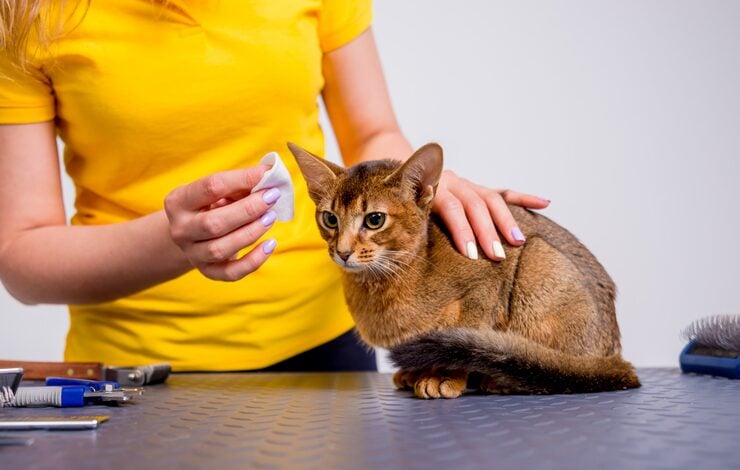
When considering a pet’s skeletal and joint health, parents frequently look to diet, supplements, and orthopedic bedding. However, one of the most common causes of chronic joint pain and structural alignment issues is completely overlooked: overgrown nails and neglected paw pads.
In canine and feline anatomy, proper paw maintenance is not a minor cosmetic detail—it is a critical structural necessity that directly shapes your pet’s biomechanics, skeletal posture, and long-term mobility.
The Biomechanics of Overgrown Nails
Dogs and cats are digitigrade animals, meaning they are biologically designed to walk directly on their toes, not their heels. Their weight should be evenly distributed across their tough, cushioned paw pads.
When nails grow too long and touch the ground, it disrupts this entire evolutionary design, triggering a destructive structural chain reaction. First, the overgrown nails touch the ground, pushing the toes upward and backward. This shifts the pet’s weight completely to the back of the paw, causing hyperextension of the wrists and hocks, which ultimately places chronic strain on the hips, spine, and neck.
This structural shift forces the pet into an unnatural, compensation-heavy posture. Over time, this chronic imbalance leads to premature joint wear, muscle fatigue, and accelerated osteoarthritis throughout the spine and hips.
Paw Pads and Proprioception
Paw pads are densely packed with nerve endings that provide vital sensory feedback (proprioception) about the texture, slope, and stability of the ground. When hair between the pads grows too long, it mats up, traps debris, and covers these sensory zones. This causes pets to lose traction on slick floors, leading to slips, muscle strains, and joint injuries.
Regular nail trimming, precision filing, and clearing the hair from paw pads restores your pet’s natural grip and balance, allowing them to move confidently and safely.
Keeping your pet moving comfortably starts from the ground up. Consistent podiatry care protects their structural alignment, reduces daily joint strain, and preserves their mobility as they age.
Protect Your Pet’s Mobility: Ensure proper alignment and structural health with expert paw care.